



News
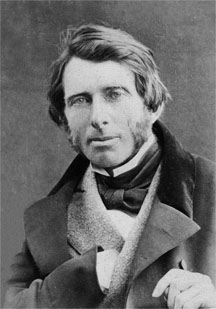
Ruskin's portrait goes to the Ashmolean
Events
American Companions
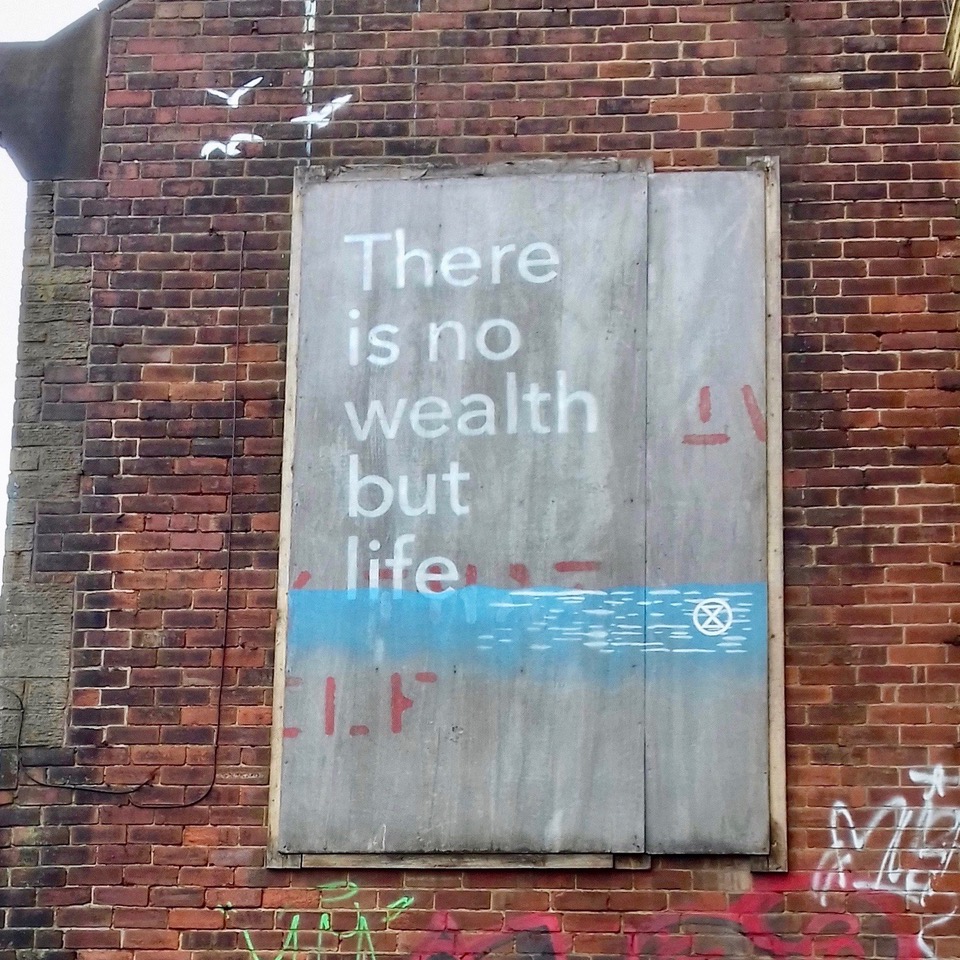
No Wealth but Life: Why John Ruskin Matters Today
The Hillside Club, 2286 Cedar Street, at Arch Street, Berkeley, CA
Saturday, July 13, 2013, 10am - 5pm (lunch included) with reception to follow.
Few have more powerfully criticized the impoverished notion of wealth embraced by the modern world than John Ruskin, yet his voice is curiously absent from today's debates.
Berkeley author Gray Brechin (UC Berkeley's Living New Deal; author, Imperial San Francisco: Urban Power, Earthy Ruin), and Ruskin scholars James L. Spates (Guild of St George, Professor of Sociology, Hobart and William Smith Colleges, Geneva, NY) and Sara Atwood (Guild of St George; author, Ruskin's Educational Ideals) will speak about Ruskin's lasting contribution to our understanding of modern civilization.
For more information or to purchase tickets, email info@hillsideclub.org
Home
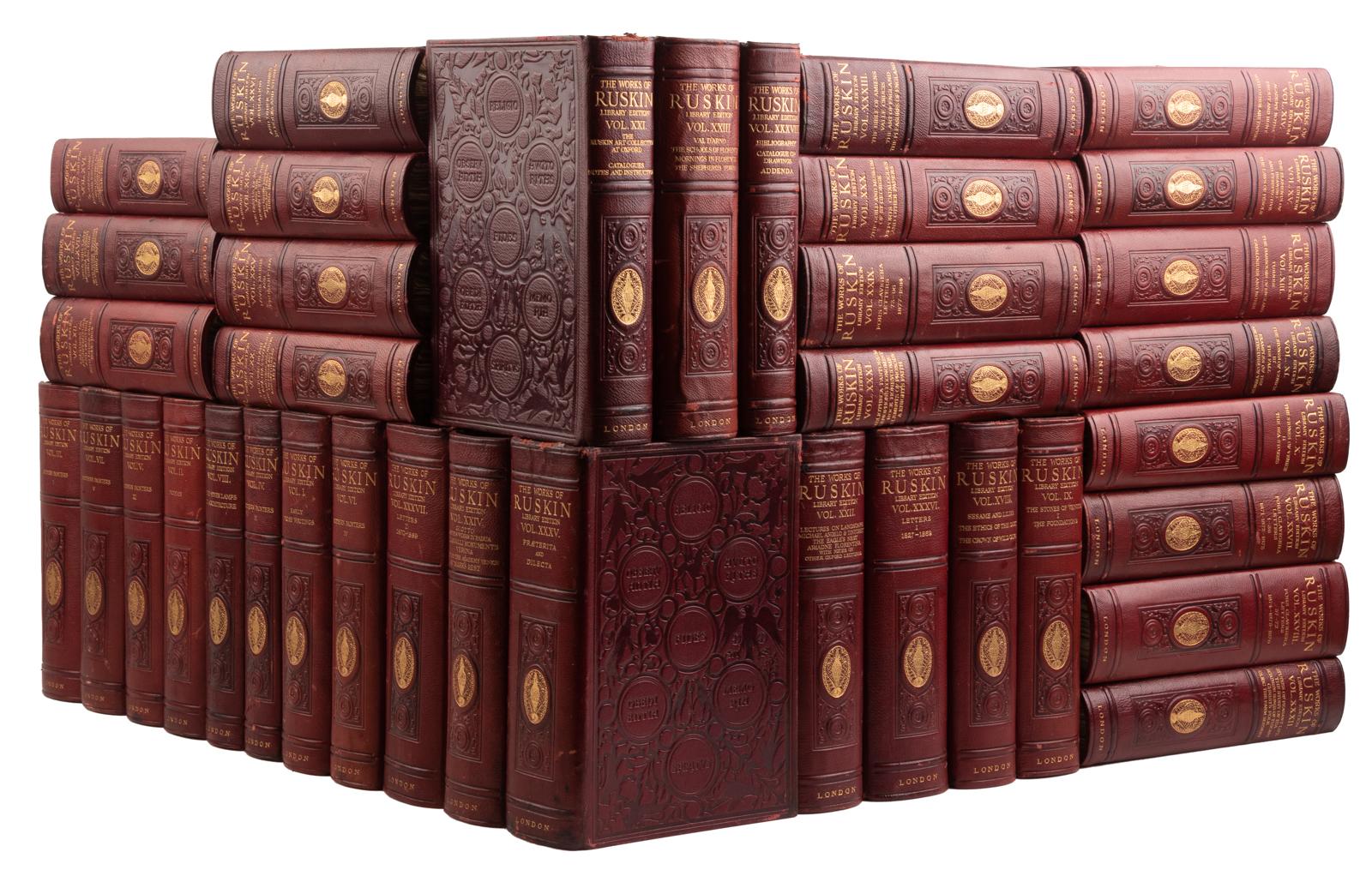
John Ruskin (1819-1900) was a polymath. As an author of books (including Modern Painters, published 1843-60, The Stones of Venice 1851-3, Unto this Last 1860, Sesame and Lilies 1865, Fors Clavigera 1871-84, Praeterita 1885-8) he commanded international respect. Geologist, botanist, artist and critic, his interests spread to social justice and political economy. In the 1870s he established the Guild of St George to right some of the social wrongs of the day and make England a happier place in which to live.
The original aim was to acquire land and, through labour, wind and water power, to bring it into useful production. Guild members, the 'Companions', supported his aims with gifts of real estate and money. A co-operative farm was established near Sheffield; woodland was given in Bewdley, Worcestershire; a number of houses in Wales.

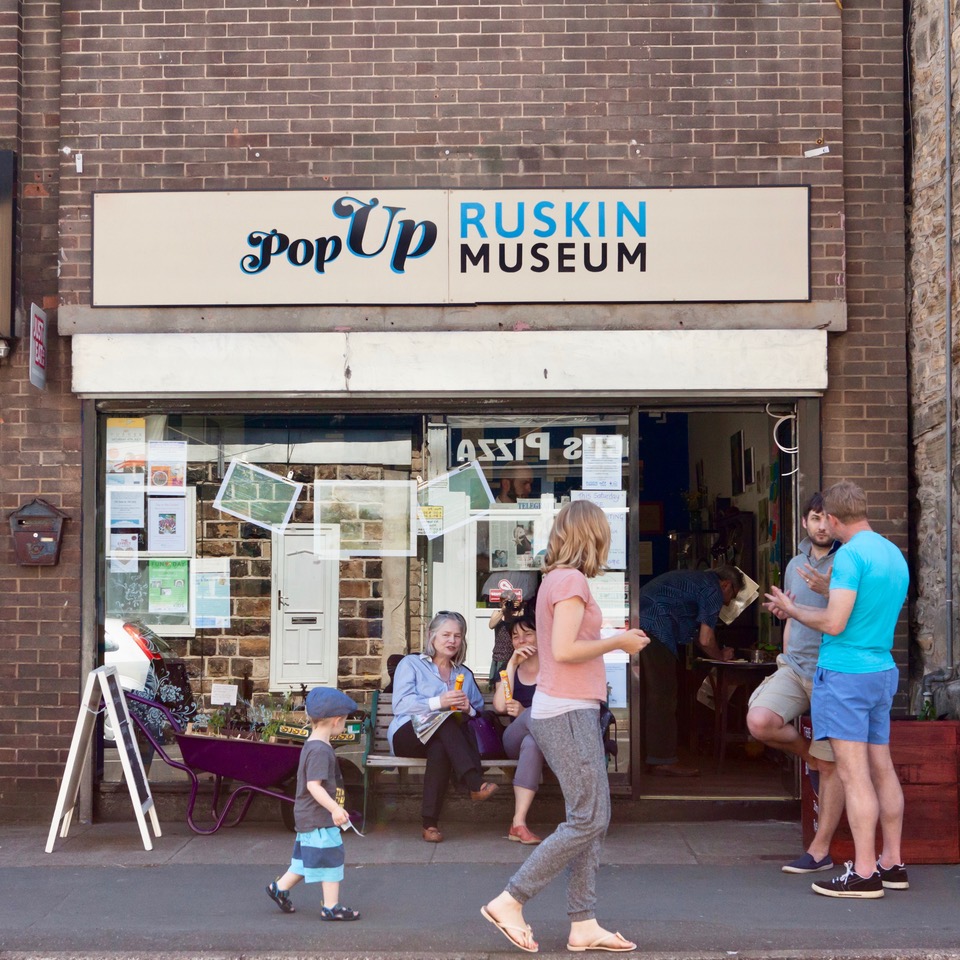
Ruskin's admiration for the Sheffield iron workers led to the establishment of the Guild's first museum in the city. The aim was to better the lot of the workmen who visited it. The small house was filled with commissioned copies of Old Master paintings, studies of architecture, beautiful geological specimens, casts of sculpture, medieval manuscripts, rare printed books and a library of standard authors. Several educational establishments also received similar gifts.
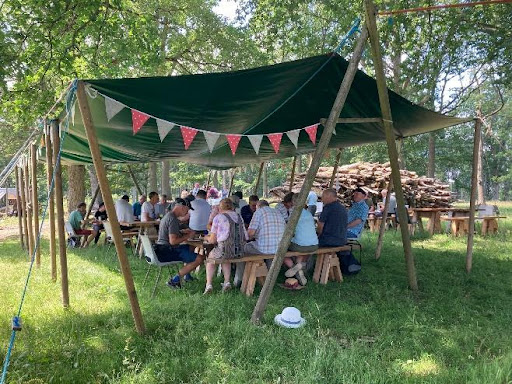
The Guild's proposed museum at Bewdley never materialised but the Guild now support the town museum with loans form our extensive collection in Sheffield. Our land at Bewdley is farmed with sympathy for natural life; many groups benefit from their visits to it. Our houses at Westmill, Hertfordshire, are well maintained and let at affordable rents. Where possible, arts and crafts and a sustainable rural economy are fostered. The Guild strives to maintain Ruskin's aims and principles.
Next page: Background