
BROWSE THE COLLECTION ONLINE
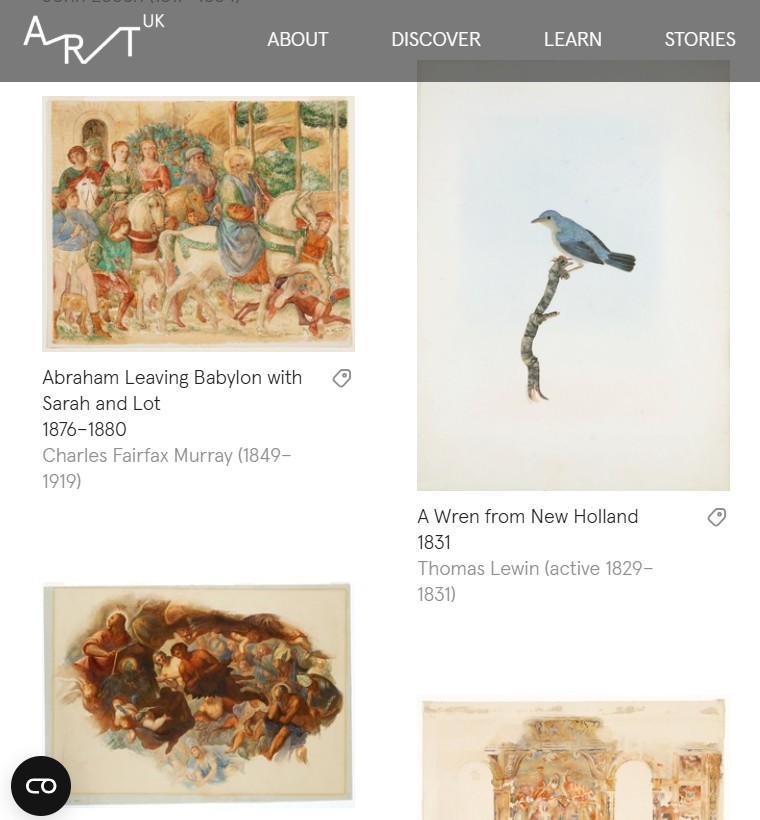
There are more than 1000 images* from the Ruskin Collection online on the ArtUK website, available to view HERE.
CATALOGUE
There is currently no comprehensive catalogue of the entire Ruskin Collection online, but you can download a FREE pdf of the colour catalogue for the 2019 exhibition, John Ruskin: The Power of Seeing, with a selection of colour images and a comprehensive introduction to the collection and its history, HERE.
ON VIEW IN SHEFFIELD
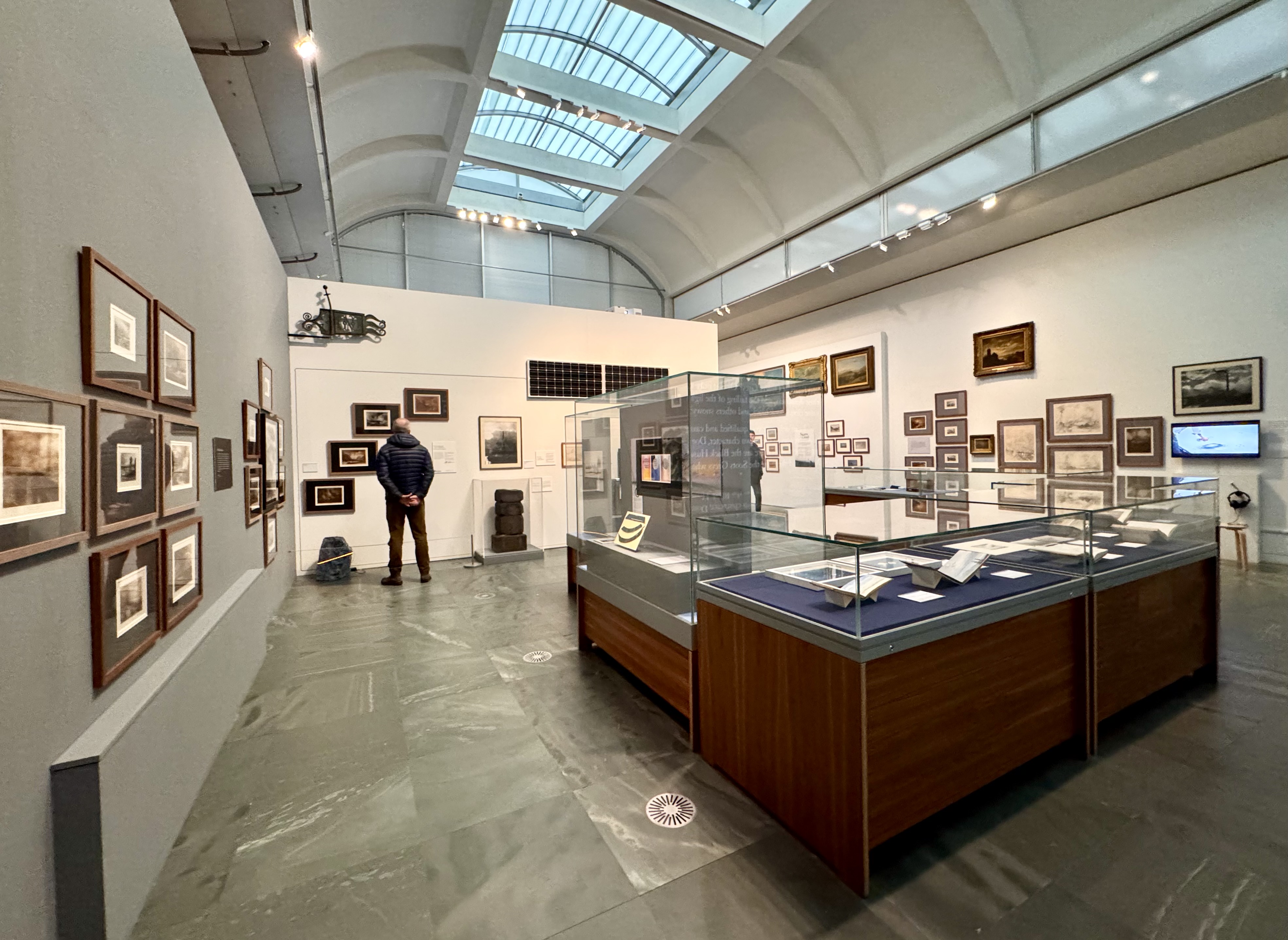
At any one time, a selection of works from the collection is on public view, in the gallery in Sheffield or in loans to other exhibitions. Many works, especially those on paper, are fragile and easily damaged by too much exposure to light.
* More images of the Collection will be added to Art UK as Sheffield Museums' resources and time allow further photographic recording and cataloguing to take place. Many of the smaller items in the collection, particularly book pages and illustrations, have never been digitally photographed.
THE HISTORY & PURPOSE OF THE RUSKIN COLLECTION
John Ruskin intended that this eclectic collection, freely accessible to all, should be used as an inspiring and creative tool. He amassed the manuscripts, minerals, watercolours and drawings to reveal connections between nature and art, and to encourage the inventiveness of artists and craftspeople. Most importantly, he wanted it to open our eyes to beauty in the everyday world. Today, the collection he amassed for this purpose remains open in the heart of Sheffield, for free, for everyone.
In his public letters, published under the title Fors Clavigera, Ruskin wrote of his desire to make art, books and other cultural treasures available to everyone by means of a 'national store'.
In 1875, Ruskin opened St George's Museum, in Walkley, a suburb of Sheffield, the first (and in the end, only) of what he hoped would be a series of such museums spread across England. The museum and its collection of watercolours, drawings, prints, plaster casts, minerals, illustrated books, manuscripts and coins was intended to be an educational resource to stimulate the creative imaginations of the metalworkers of Sheffield.
The artworks in the Ruskin Collection are in line with Ruskin's principles and taste. Some were commissioned by Ruskin to illustrate his works and were subsequently give by him to the Guild. Others, including prints by J.M.W. Turner, and many minerals, books and manuscripts were purchased by him specifically for the Guild or were passed on from his own private collections. From the 1890s, further works were acquired by the Guild's 'memorial fund', and the Guild still very occasionally makes acquisitions today.
The St George's Museum, Walkley was small. A couple of extensions to the property proved inadequate and in 1890 the collection was re-displayed at larger premises at Meersbrook Hall. It remained there until 1953. After several years when much of the collection was kept in storage at Reading University, the collection was brought back into public view in 1985 at the Ruskin Gallery on Norfolk Street in Sheffield city centre. It moved at the start of this century to the nearby Millennium Gallery.
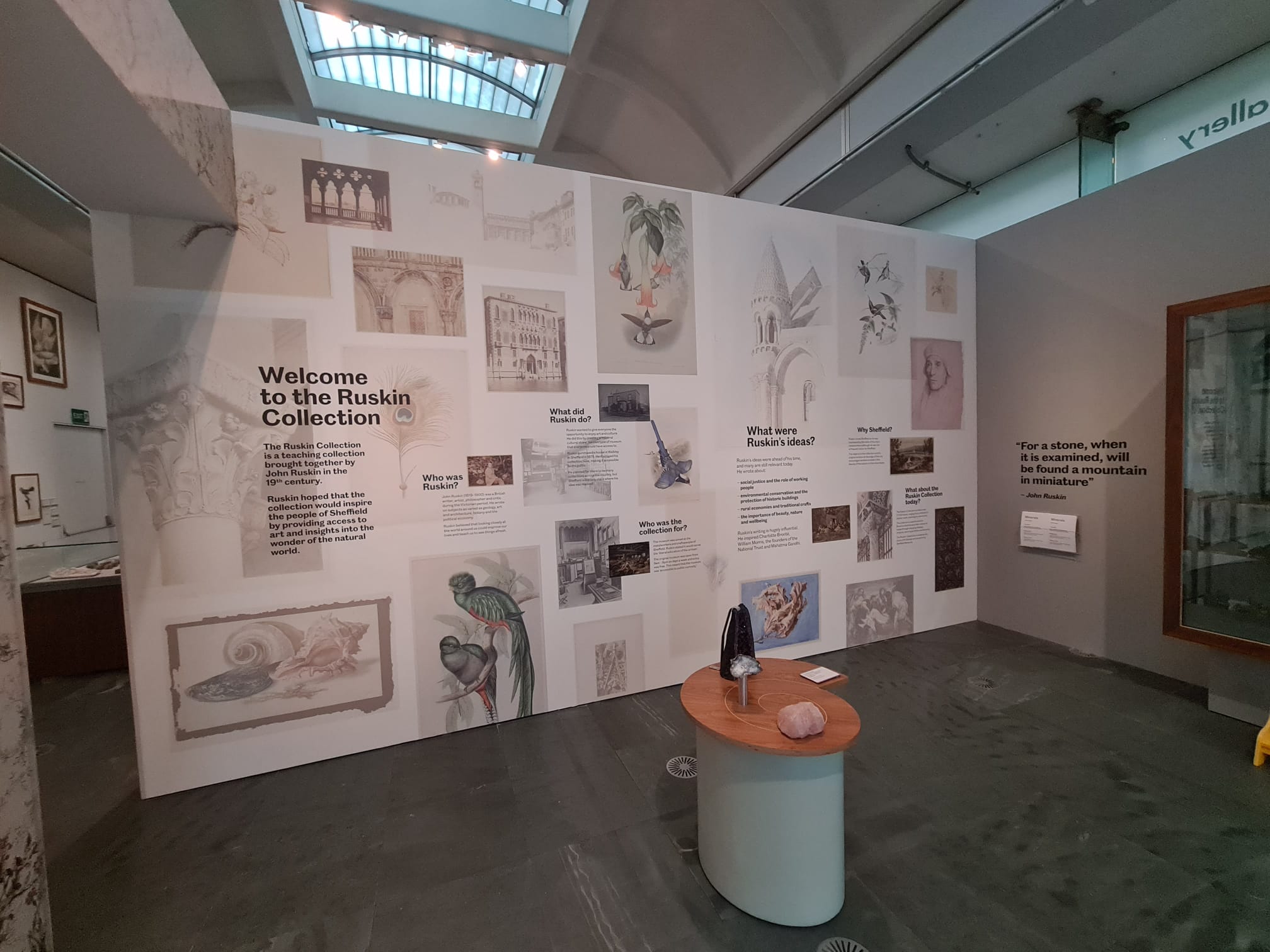

For over 40 years, Ruskin travelled widely across Britain and Europe, seeking out beauty to observe, draw and write about. Closer to home though, England’s manufacturing cities expanded and became wealthy, whilst their workforces lived in poverty and grime. Workers had little to inspire them.
Ruskin set up the Guild of St George to counter this imbalance and founded a museum specifically for Sheffield’s workers, the first of what he intended would be a number of museums located near major industrial cities, but in fact the only one that came to fruition.
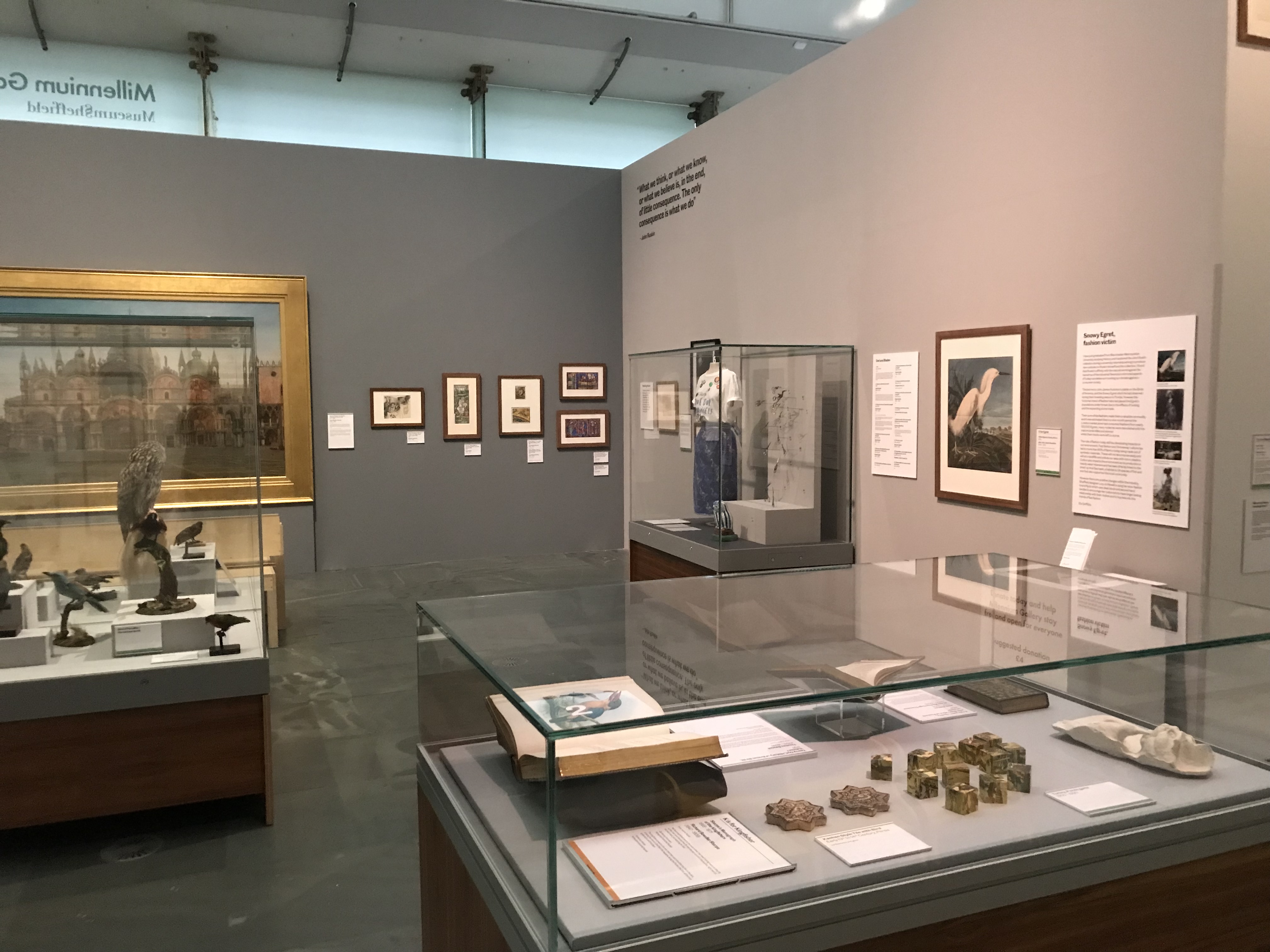
The collection is an eclectic mix that reflects Ruskin’s many interests. Early renaissance art, gothic architecture, Albrecht Dürer and JMW Turner’s engravings, mosaic decoration, Japanese cloisonné enameling, illustrations of birds, flowers, insects and landscapes all have their place. In addition, Ruskin added collections of geology and coins, and a library of illustrated books and medieval manuscripts. The Guild has since added to the collection with drawings and paintings, late Victorian photographs and pieces from the Ruskin Linen Industry.
Most of the drawings and watercolours in the collection were carried out by Ruskin’s assistants, who carefully copied paintings by Italian painters of the late 1400s and, made detailed records of gothic architecture and byzantine mosaic using pencil, watercolour and plaster cast. Other pieces come via Ruskin’s own collections of nature drawing, engraving and books. Few watercolours are by Ruskin himself, but everything he included was given with a set purpose to educate and inspire.
Annual gallery displays
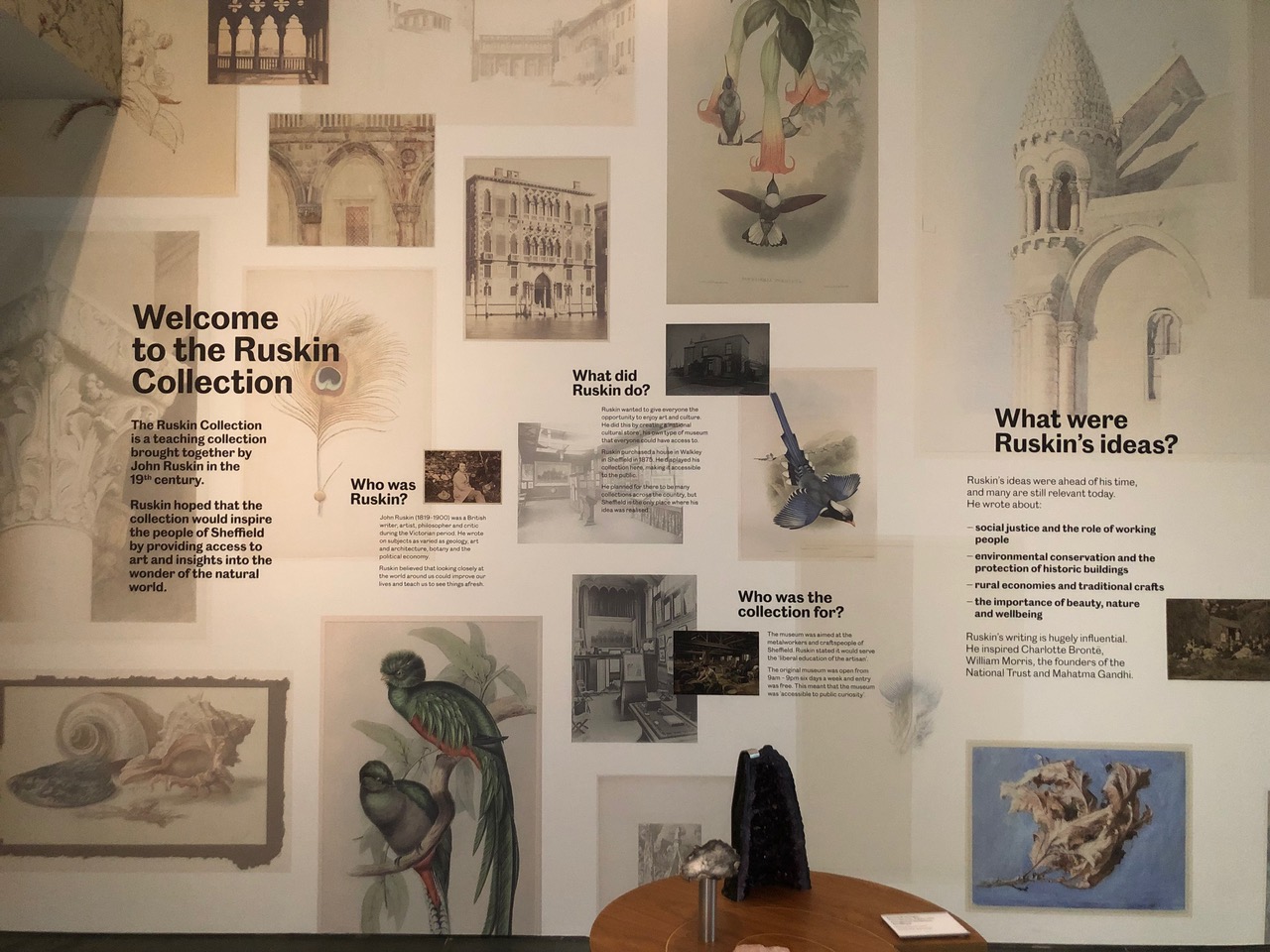
Each year, there are changing displays in the permanent gallery to highlight particular strengths and themes within the Ruskin Collection and reflecting the wider issues and ideas of our time. Open free to all.
View allSome highlights from The Ruskin Collection

Browse a handful of items from the Ruskin Collection here.
View allA monthly treasury of works from the Ruskin Collection

Twelve free pdfs to download, with a detailed entry about a different work of art from the Ruskin Collection for every day of the year.
View allPrevious exhibitions
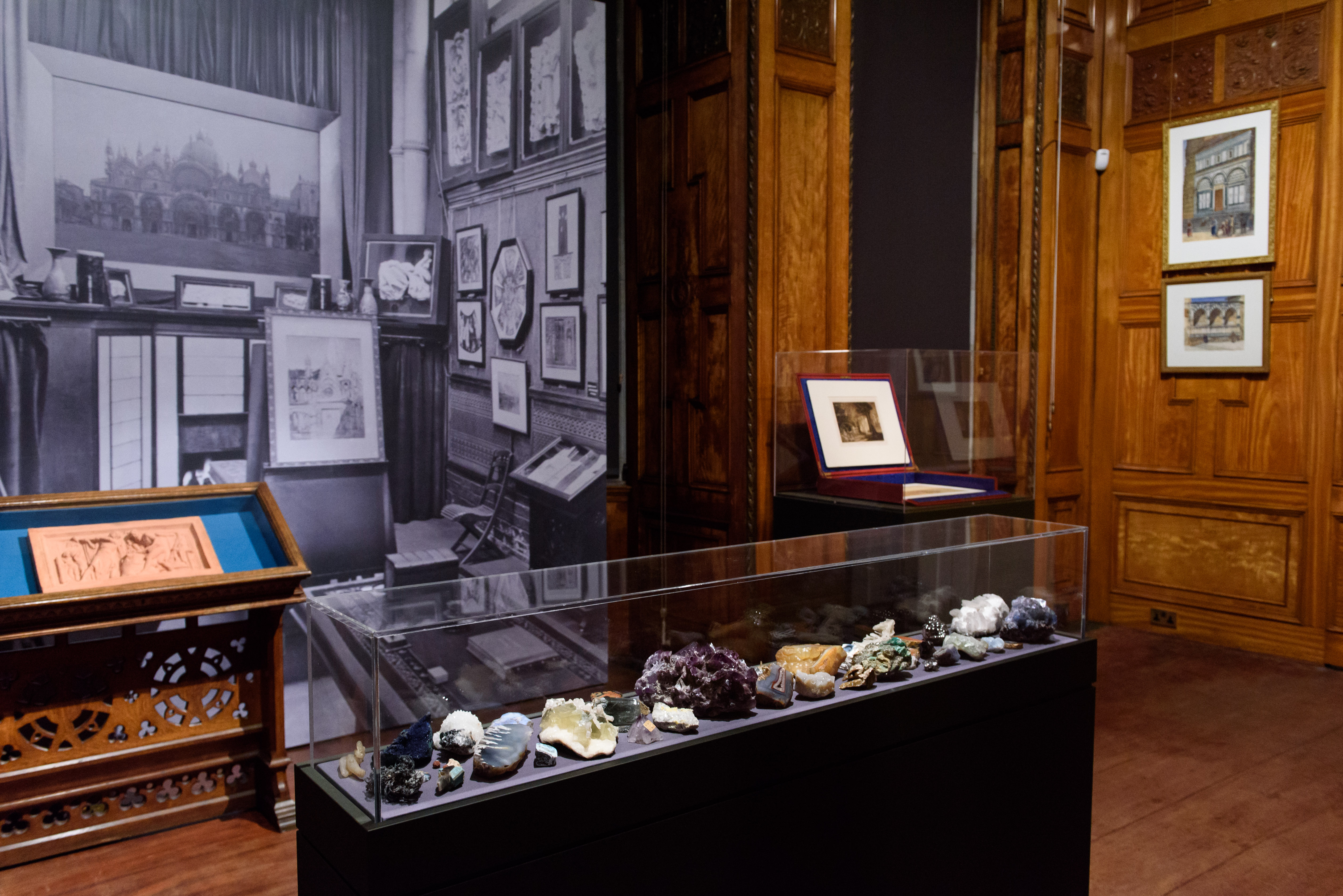
As well as the permanent gallery in Sheffield showing a changing selection from the collection, items are sometimes lent to exhibitions nationally and overseas. In 2019, major exhibitions from the Collection were shown in London and Sheffield in celebration of Ruskin's bicentenary.
View allConserving & digitising our rare manuscripts
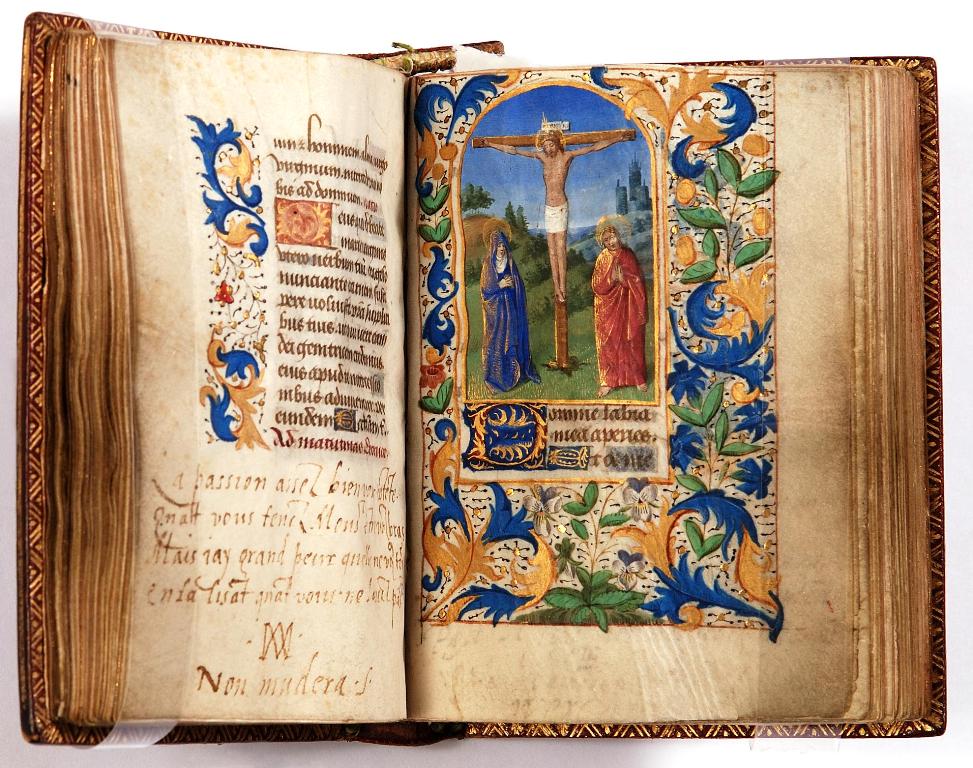
The Guild will soon be launching an appeal to raise funds towards the conservation and digitisation of the precious and rare manuscripts in the collection. More details will be posted here when we have them.
View allSeven fresh perspectives on the Ruskin Collection online
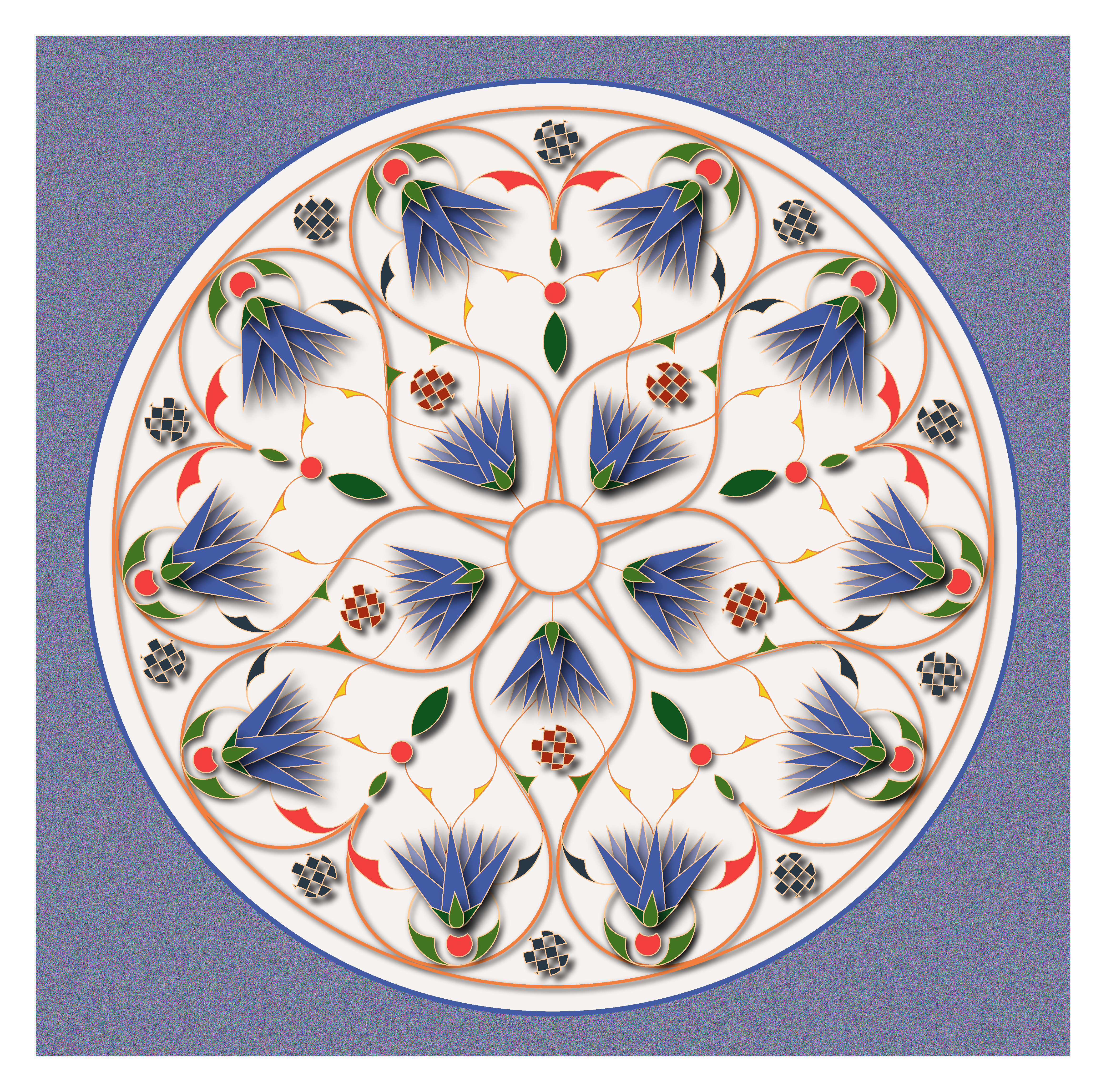
Seven interns from Manchester Metropolitan University, working with Guild Master Rachel Dickinson in the summer of 2021, have explored the Guild's Ruskin Collection online, and come up with their own responses to what they discovered, guided by the brief to create something of interest for people between the ages of 16-24.
View all