
Learning to See (with Ruskin) online sessions 2025/6
Introduction
What happens when we pause long enough to truly see the world around us?
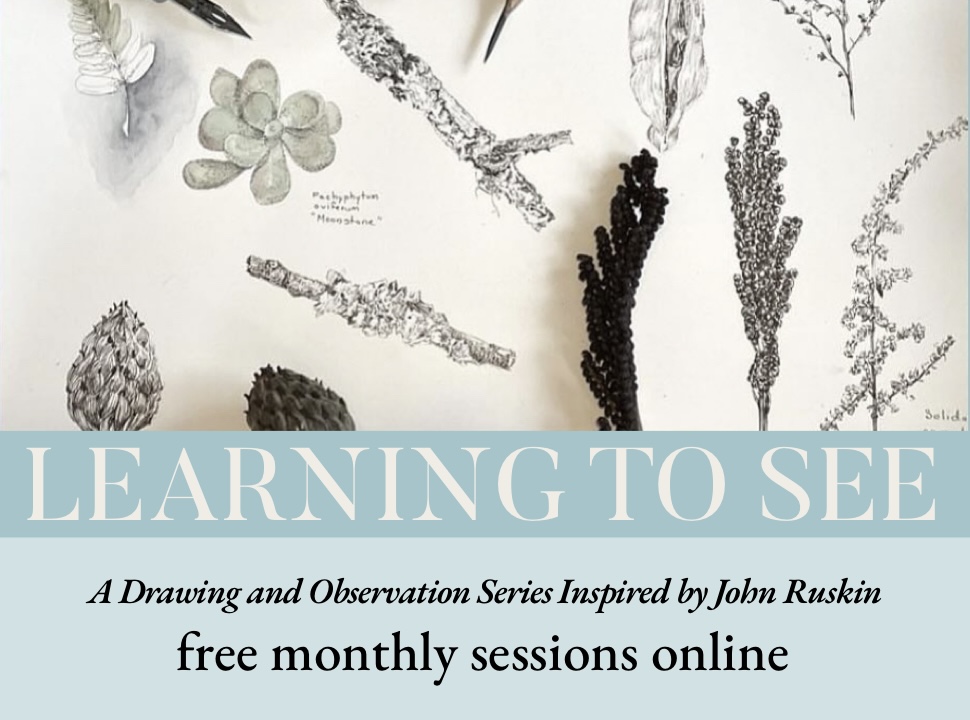
This gentle, monthly workshop series, at 2pm (UK time) on a Saturday each month, from September 2025 to May 2026, invites you to slow down and look closely—at leaf and lichen, cloud and stone, light and shadow. Guided by the spirit of John Ruskin and his belief that learning to draw is above all a way of learning to see, Learning to See offers a welcoming space for anyone, regardless of skill level, to deepen their connection to the natural world through careful observation and creative practice.
Inspired loosely by Ruskin’s The Elements of Drawing, the series will blend drawing with a wide range of creative responses, which might include walking, watercolour and colour mixing, photography, mapping, and reading.
SESSION LEADERS
Sessions run on the first Saturday of each month; artist, writer and Companion Kateri Ewing opened the series in September and October, setting the tone for an experience rooted in reverence, presence, and accessibility. Artists Julian Perry and Doris Rohr are all guest session leaders in the series.
Together, we’ll explore how attentive seeing can rekindle our sense of wonder—and how wonder can lead us toward care.
Join us for 90 minutes of shared observation, practice, discussion, and community each month, and discover how small, mindful acts of attention can become a daily rhythm of creative noticing.
You should be sent the Zoom link for each session by email in the week of each session, and it is also available further down this page
___________________________________________________________________________________________________
EQUIPMENT AND MATERIALS
See below for details of materials required for each session.
Sessions will usually run for 90 minutes.
Forthcoming session
SESSION NINE, ON SATURDAY 2nd MAY 2026 AT 2pm (UK time)
Session leader Julian Perry
"A Marvellous and Quaint Confusion”
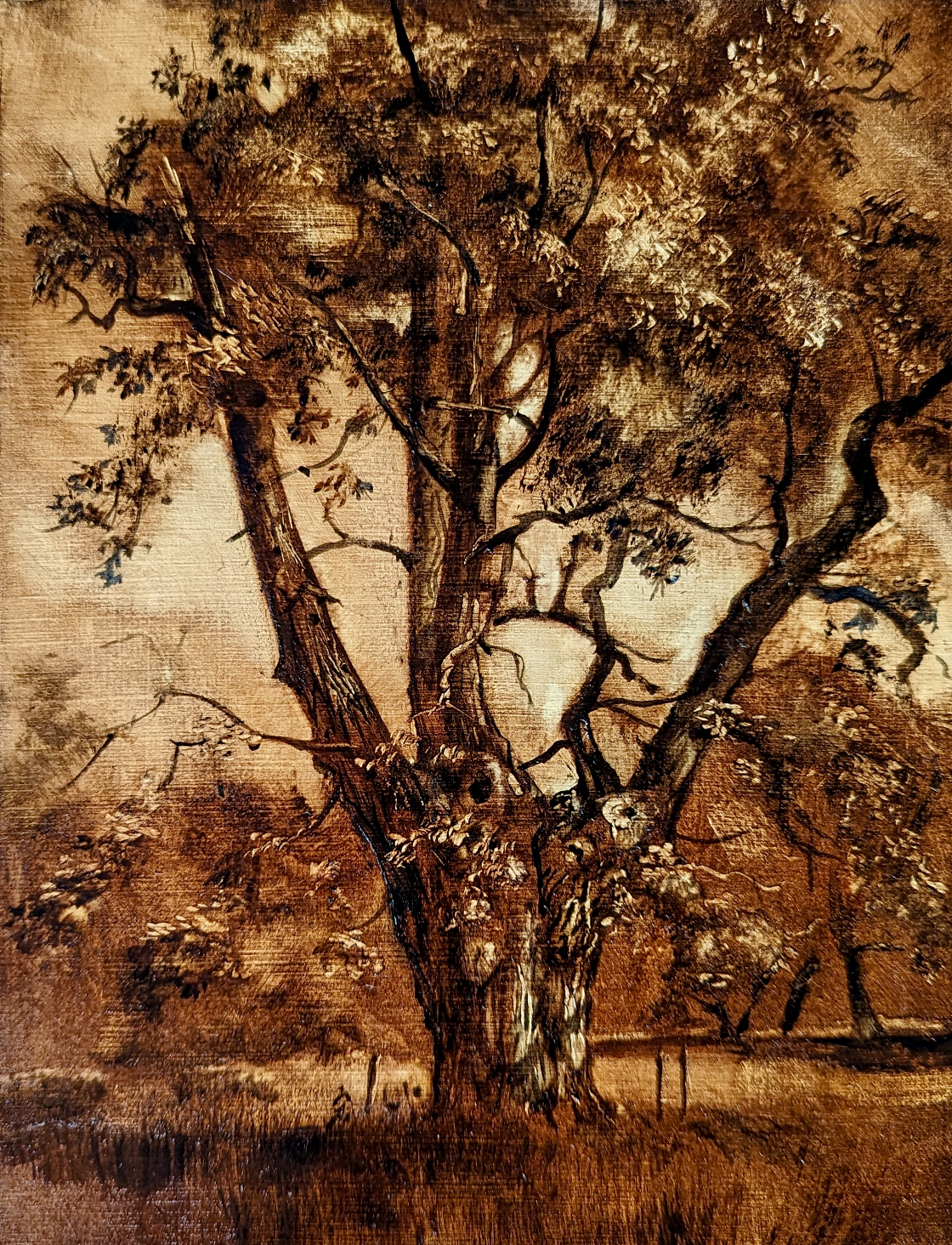
Julian writes: With particular reference to my own technique, I will be looking at how Ruskin suggests you can draw the complexity of the leaves on a tree. A challenge way beyond fastidious delineation. “Nature relieves one mass or one tint against another but outlines non”!
For the exercise please have:
- A twig with at least two leaves preferably dried but that’s not crucial
- A sheet of approx 30 x 40 cm laid paper (i.e. thick and strong like watercolour paper with a soft and open surface, (not shiny)) prepared by rubbing the surface with charcoal and then polishing with a cloth (messy) but the darker and more even the tone the better.
- The paper needs to be attached by tape to a board or hard surface.
- Sticks of charcoal of various sizes
- Cotton buds or equivalent
- Paper Stump or equivalent
- Soft / putty and Hard erasers
- White chalk pastel and white Conté pencil or equivalents
Julian has kindly made a pdf illustrating how to prepare the paper; see HERE.
Zoom link: https://us02web.zoom.us/j/7070805610?omn=82843101485
Image below: Napoleon Oak Suffolk 2024, Oil on panel, Julian Perry

Session recordings
For anyone unable to join us live, or if you wish to repeat the session, a recording of each session will be placed on YouTube and you can find links to them here:
SESSION ONE (Sept 2025, with Kateri Ewing) RECORDING: https://youtu.be/iP7iPUFqVs8
SESSION TWO (October 2025, with Kateri Ewing) RECORDING: https://youtu.be/ITQ2DAMuIRY
SESSION THREE (November 2025, shared drawing session led by Rachel Dickinson) RECORDING: https://youtu.be/DOFtphS3AIE?si=LM0eadoFOdOiCxR1
SESSION FOUR (December 2025, with Kateri Ewing) RECORDING: https://youtu.be/s7bWgYWB3wM
SESSION FIVE (January 2026, with Doris Rohr) RECORDING: https://youtu.be/6jNAmoOujGc
SESSION SIX (February 2026, with Kateri Ewing) RECORDING: https://youtu.be/JDrfz0bBhGk
SESSION SEVEN (March 2026, shared drawing session focused on shells) RECORDING: https://youtu.be/3Kk0jFcI0Gw
SESSION EIGHT (April 2026, with Doris Rohr) RECORDING: https://youtu.be/y5EQrJjktrI
Reading The Elements of Drawing
If you would like to read The Elements of Drawing, it can be found online HERE, and you can find a facsimile of George Allen's edition of 1904 HERE.
Participant's gallery
If anyone who attends a session would like to share their work, we will display it here.
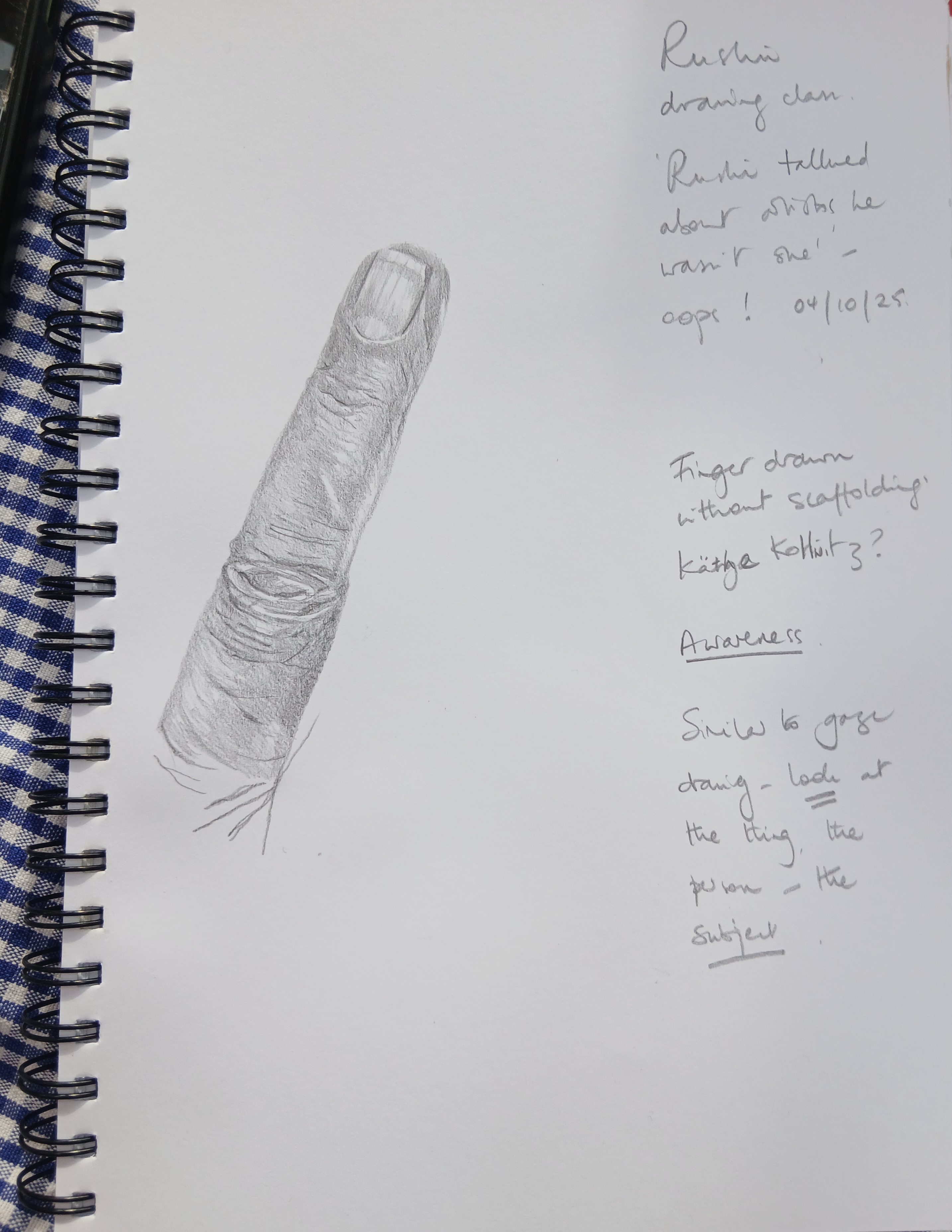
Helen Joy - session 2
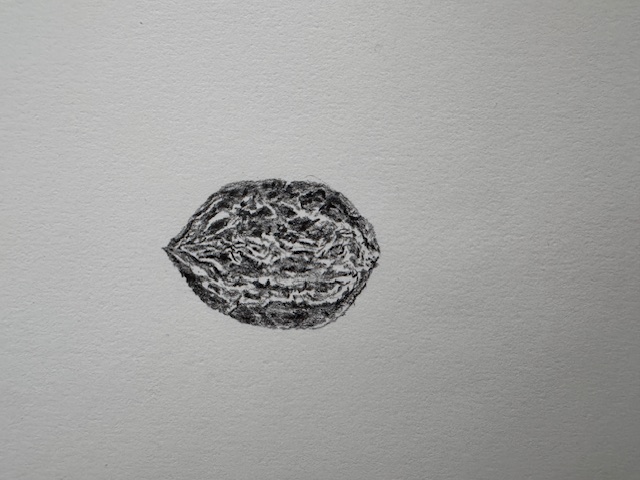
Kateri Ewing - session 4
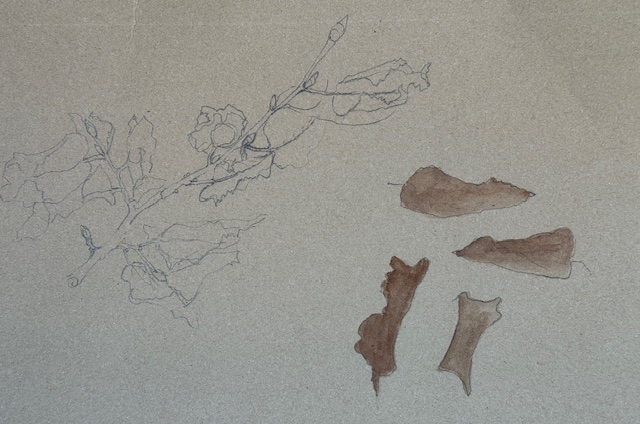
Joanna Espiner - session 5
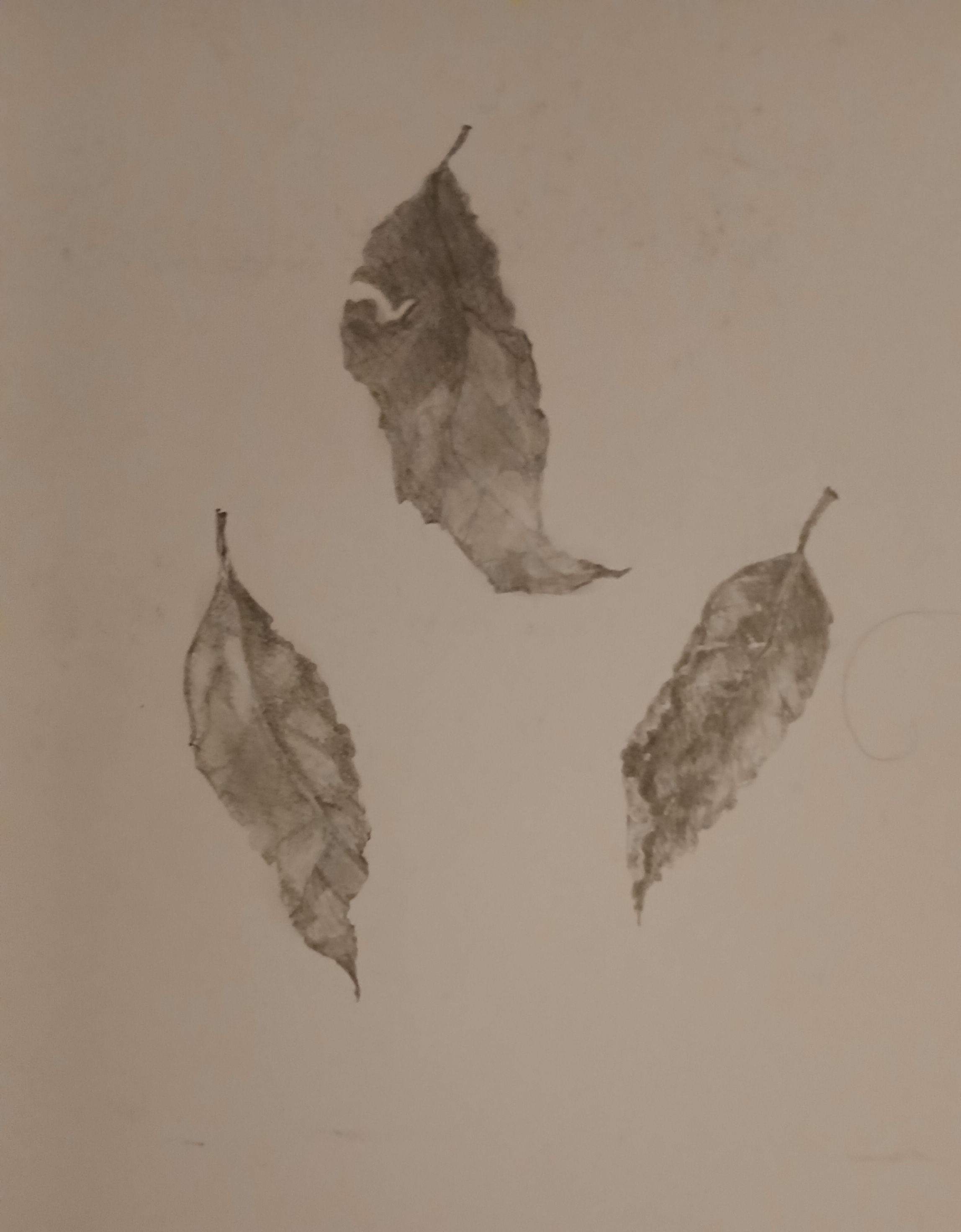
Helen Joy - session 5
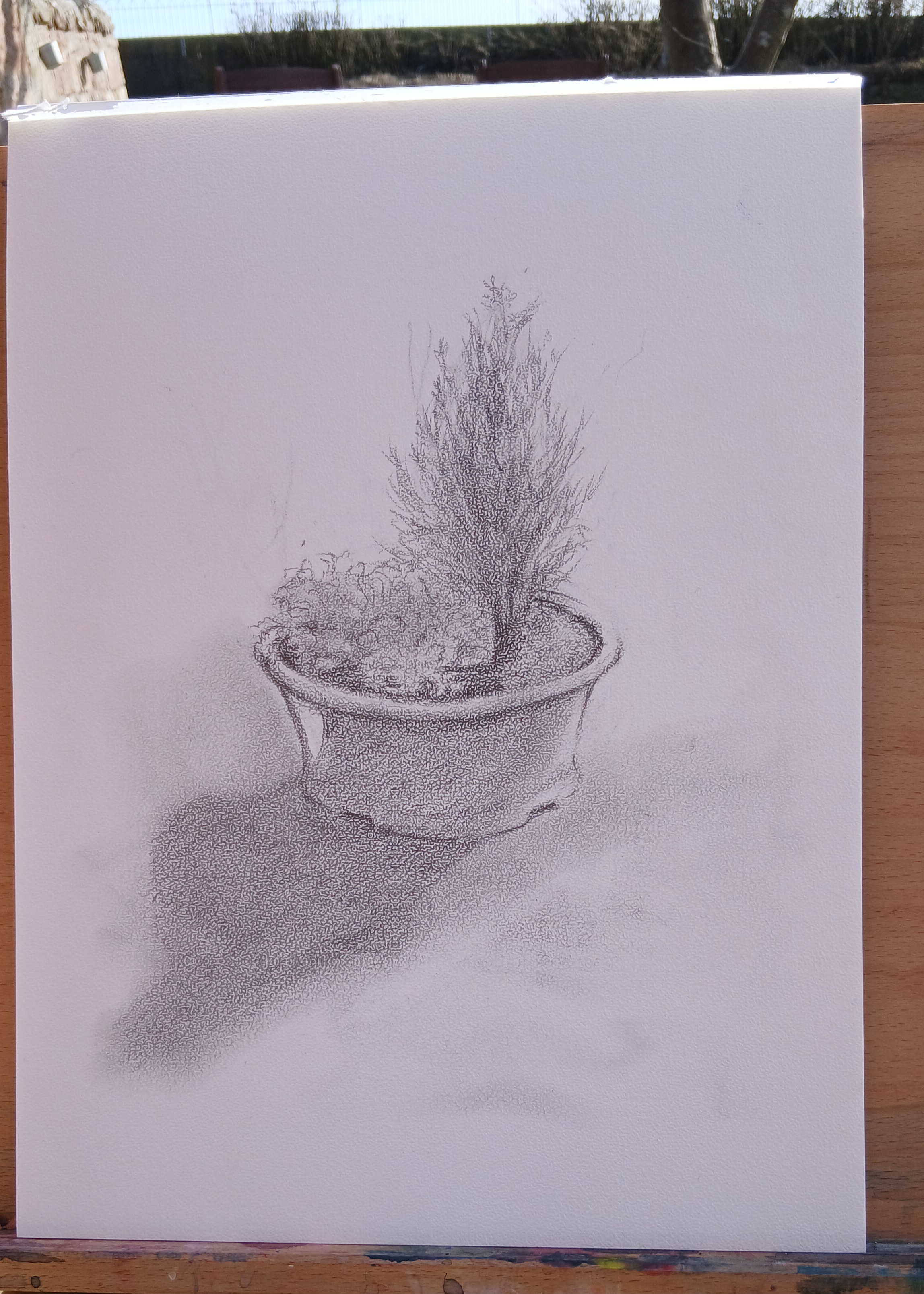
Helen Joy - Session 6
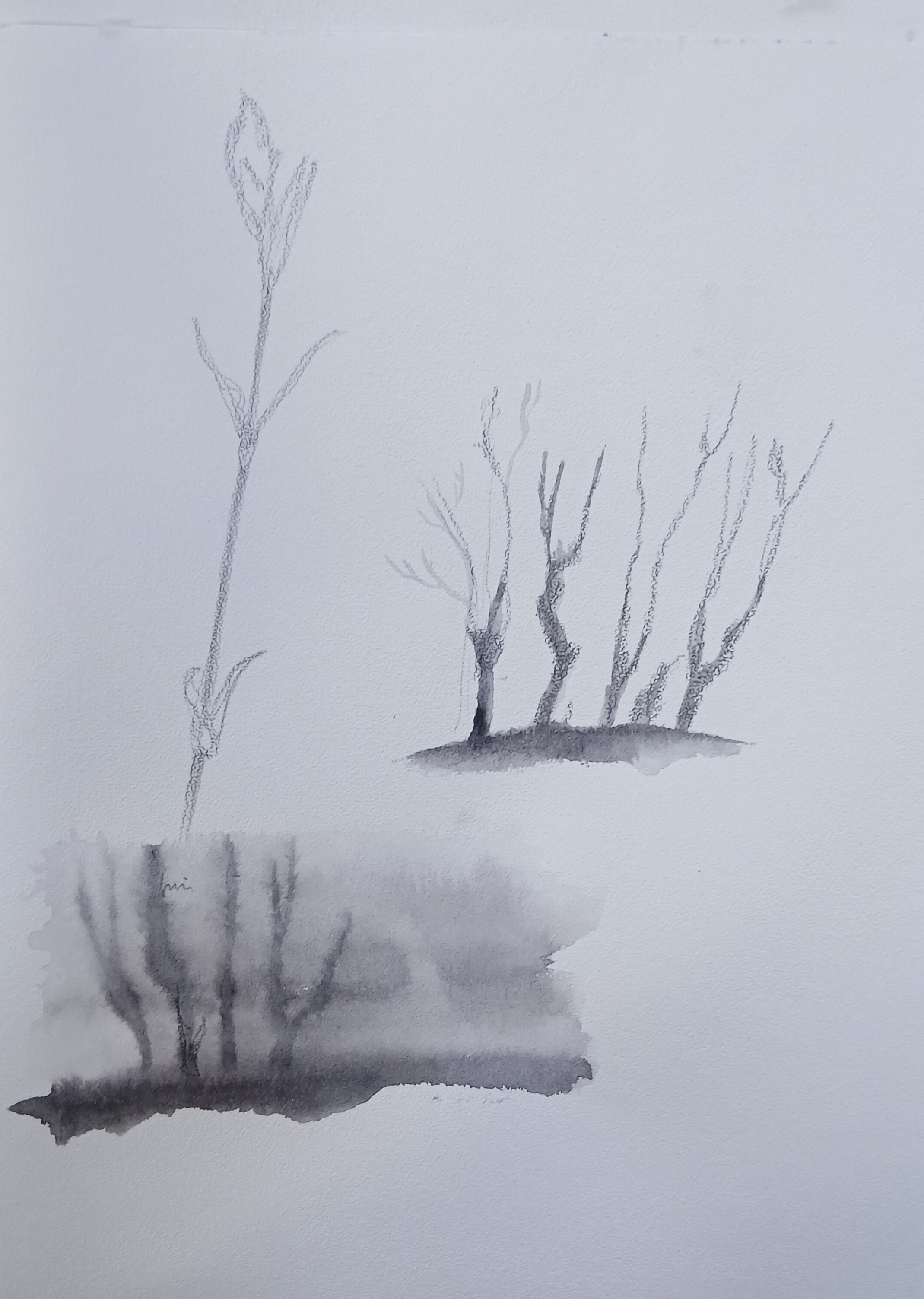
Helen Joy - session 8
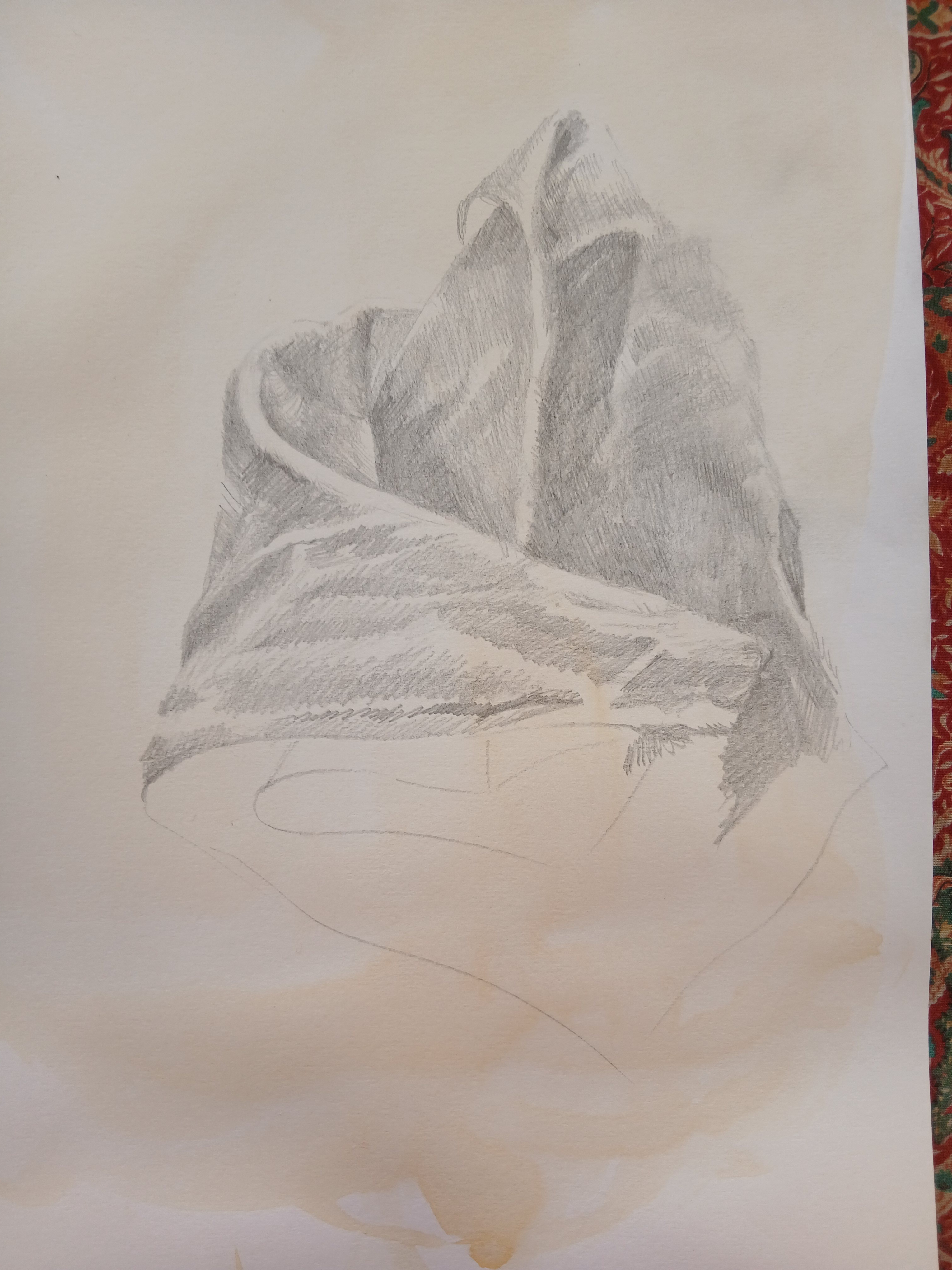
Helen Joy - session 3
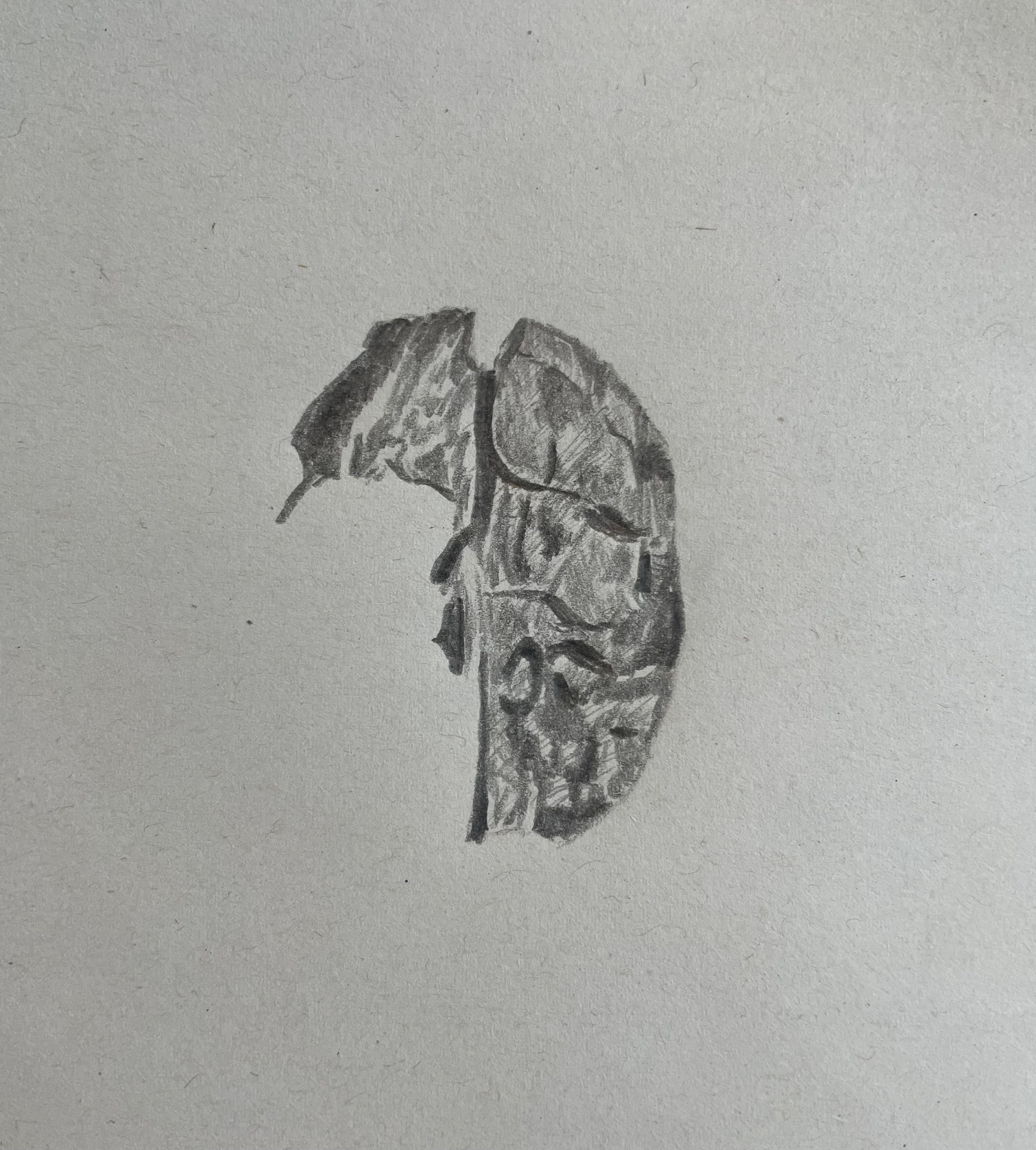
Simon Seligman - session 4
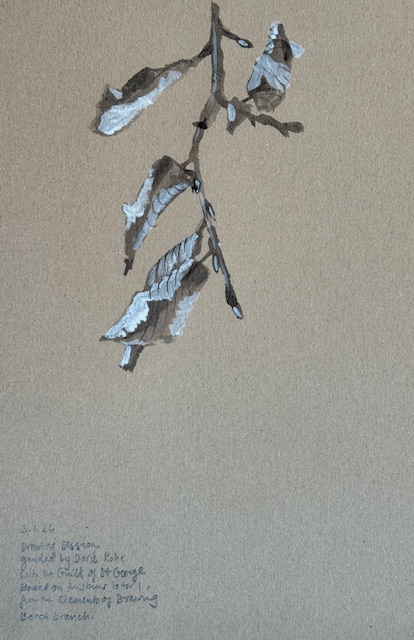
Joanna Espiner - session 5
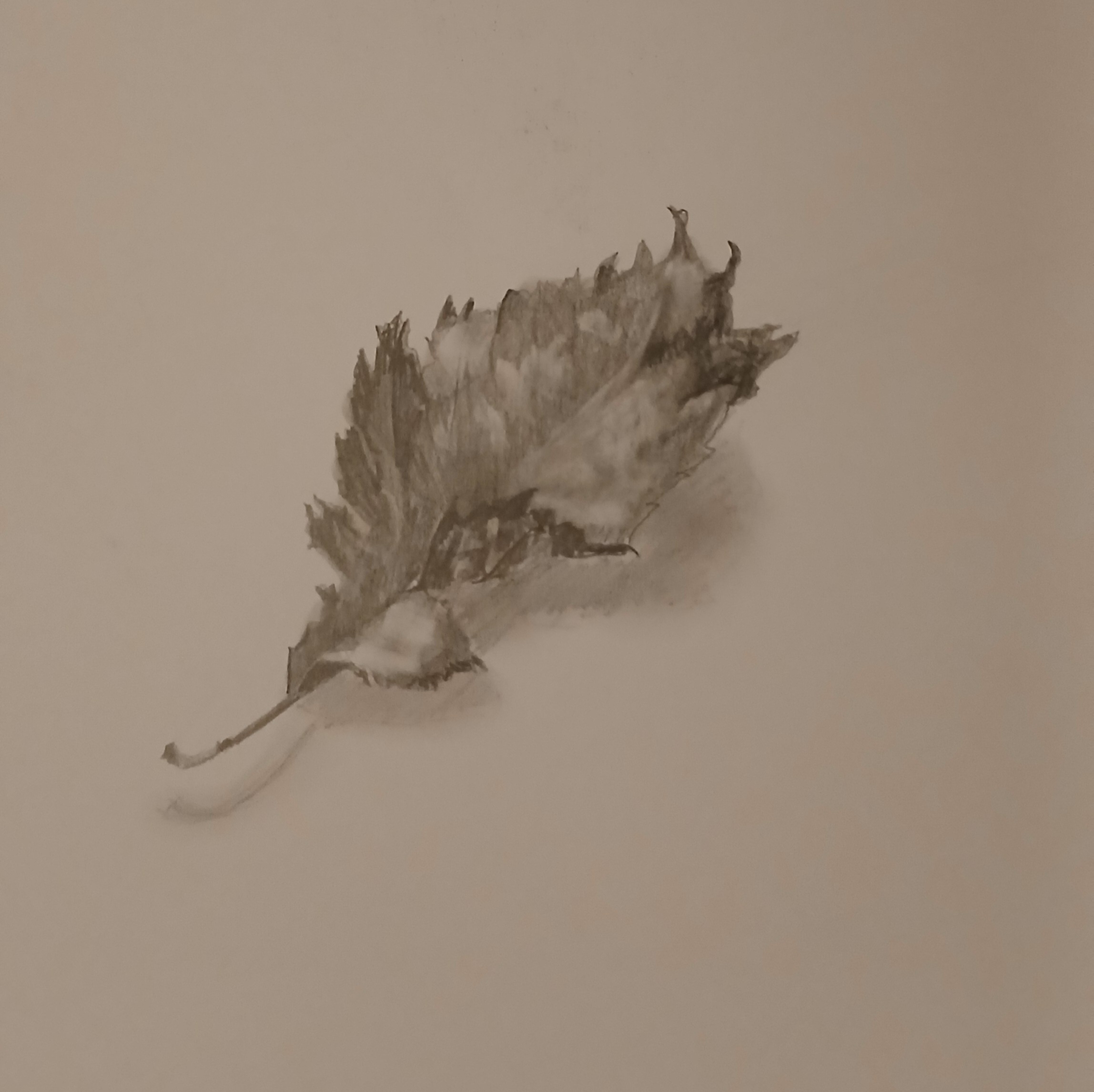
Helen Joy - session 5
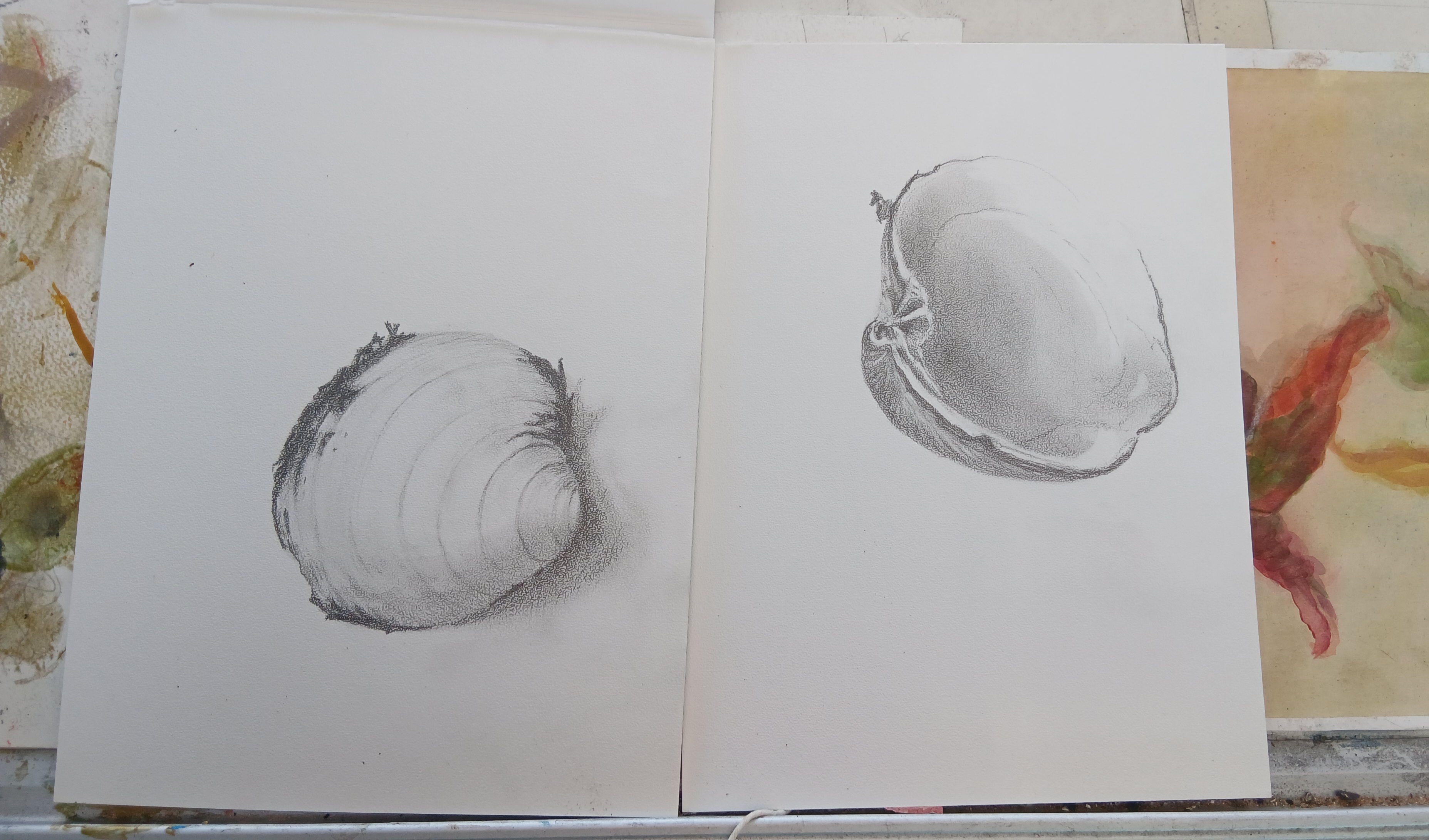
Helen Joy - session 7
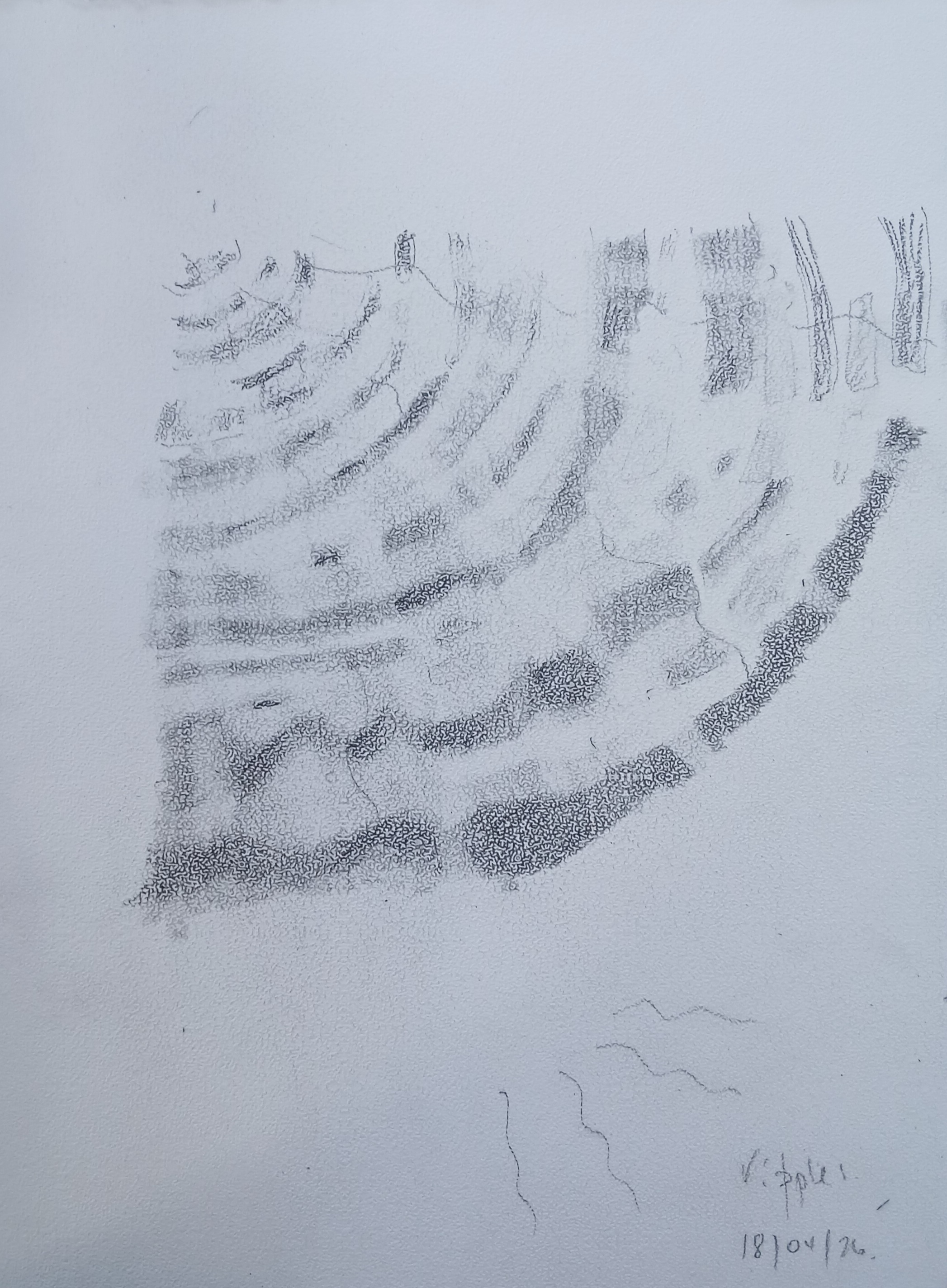
Helen Joy - session 8
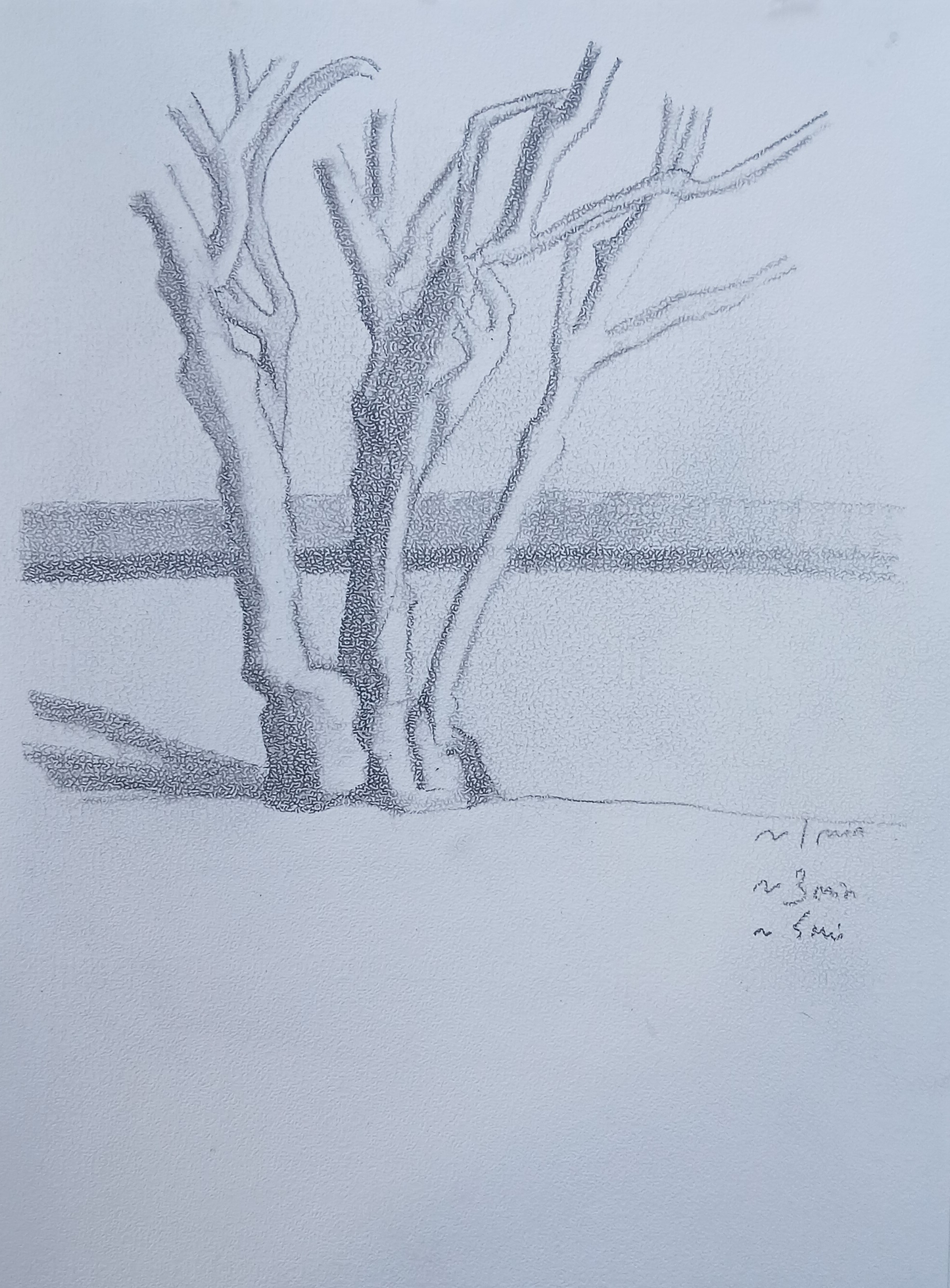
Helen Joy - session 8